12 Ways to Communicate if Social Media Dies Tomorrow
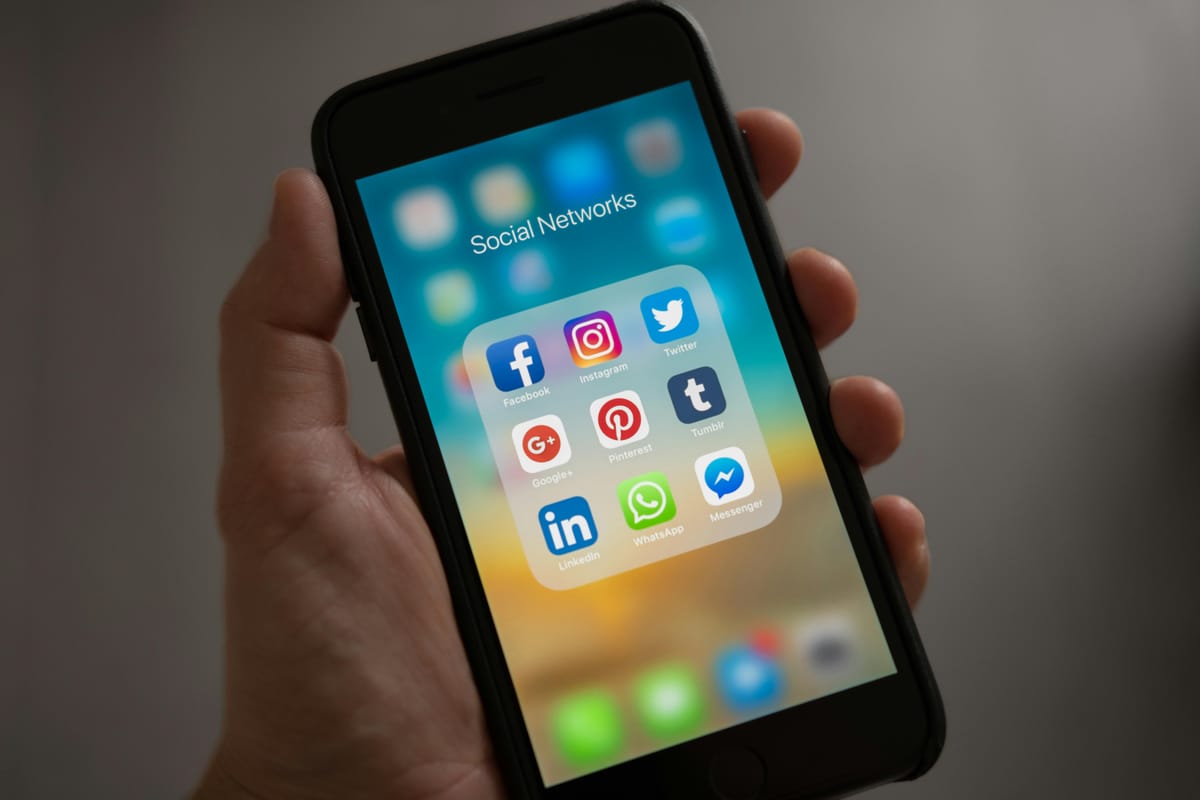
Social media is part of everyday life for most of the world - but could we live without it for work?
If you are a professional, entrepreneur, community group, business, charity or other organisation, you need to be able to communicate.
According to Statista, there are 5.56 billion people using the internet and of those, 5.24 billion are social media users. That's 63.9% of the global population - or almost two in every three people on the planet.
Smartphones give us instant access to platforms like Facebook, Instagram, X, Google, YouTube and LinkedIn.
But what if social media suffered a catastrophic wipeout? What if you couldn't use these platforms and apps? What if tech giants block your accounts? What if you wanted to reject using social media (on ethical, conscious or mental health grounds, for example)?
How would you communicate without social media?
If you're of a certain age, you'll already know the answer. Because you have lived through times when there was no social media - not even the Internet.
Here are 12 ways you can connect, keep in touch with people and communicate without resorting to social media.
- Telephone - Yes, your smartphone is not just for scrolling. You can use it to make and receive calls. You can even use a landline if you have one at home or in the office.
- Email - As your inbox may be indicating to you, email remains a popular way to communicate. It's a free (or very low cost) way to stay in touch, share information and get your message across. If you're in business, building an email list is still a valuable activity. You have an audience that wants to hear from you and you're less vulnerable to the whims of social media 'rules' that can lead to accounts being blocked.
- Physical Letter - This is proper 'old school' and yet - as direct marketers know - remains a powerful method of communication. People receive so few letters these days that it feels 'special' to have an envelope land on the doormat. (I still write handwritten letters today and they are appreciated WAY more than an email or text, let me tell you).
- Video Call and Video Conferencing - I'm going to squeeze this one in here. Okay, it's technology but it's not (in my view) social media. Zoom, Google Meet and Microsoft Teams are probably the best known. But there's also the likes of Webex, GoTo Meeting, Discord and Slack in the mix.
- In-Person Meeting - Remember these? Meetings in an office, cafe, restaurant or community space, where you could talk face-to-face with another human being. Online can offer good meetings but it's rarely as good as meeting someone in person.
- Networking Events - Much of this is done online these days but in-person events are still being run and they can be an excellent way to meet people in business, service providers, and potential customers or clients.
- Trade Shows & Conferences - These events offer networking opportunities as well but often have the advantage of bringing together people from specific industries or niches. Plus, there are usually keynote speakers, specialist presentations and trade show discounts available as well.
- Direct Mail (Marketing) - We're talking here about physical sales letters (using paper and envelopes), brochures, guides, leaflets and flyers. Used wisely and strategically, direct mail can be a very successful form of communication.
- Text Messaging - Messaging apps like WhatsApp, Messenger, Signal and Telegram allow people to stay in touch, formally as well as for more casual or social communications.
- Blogs - Blogging sites were once all the rage. Now people tend to use other platforms, such as Substack, Medium, Beehiv or Ghost (which this article is using). A great way to express your creativity, opinions and what you stand for.
- Newsletters - These can be online or offline (i.e. another example of direct mail). A simple way to communicate regularly with your audience and spread the word.
- Website - Chances are, if you're in business you will have a website. With smart design and careful wording, your website can be more than just a 'window' to your world. It can become a valuable business development tool.
I'm not saying social media will die tomorrow. The purpose of this piece is to encourage people to reflect on how they are using social media, how much time they give to it, and how it affects their health and wellbeing.
If you are of a certain age you will have grown up knowing nothing different. Social media is the centre of your world. But have you ever thought beyond social media? Do you cling to technology because using the phone or talking to people scares you?
Ethics, Privacy and Good Practice
And, if ethics or good practice are important to you, do you know how each platform you use operates, treats your data and privacy, or is involved in stuff that would make you think twice about using it ever again?
How many of the 12 ways listed above have you used? (I have used all dozen of them over the years)
Be curious.
Explore different ways to communicate.
Question everything.