Has One of the World's Most Scenic Coast Drives Run Out of Road?
An economic and environmental impact of the iconic North Coast 500 has been launched over concerns about overtourism.
The 516-mile (830km) route has been voted one of the best coastal road trips in the world. Some describe it as "Scotland's Route 66".
The idea behind its opening in 2015 was to encourage more people to visit, explore and boost the local economy of the North Highlands.
And the North Coast 500, also known as the NC500, has certainly attracted tourists and visitors in droves. In fact, that's part of the problem.
Whilst the initiative has attracted tens of millions of pounds into the local economy every year (the figure was £22.8m in 2018 alone), the route's growing popularity has raised concerns about increased traffic, dangerous driving, litter, toilet waste and roadside camping.
NC500 Ltd, the private company which promotes the route, has commissioned a fresh assessment of the scheme's impact on the local economy and environment. It wants to open a new conversation with local people about how to improve the route.
Where Does the NC500 Route Go?
The classic North Coast 500 route starts and finishes in Inverness, originally from Inverness Castle.
It can be driven clockwise or anti-clockwise.
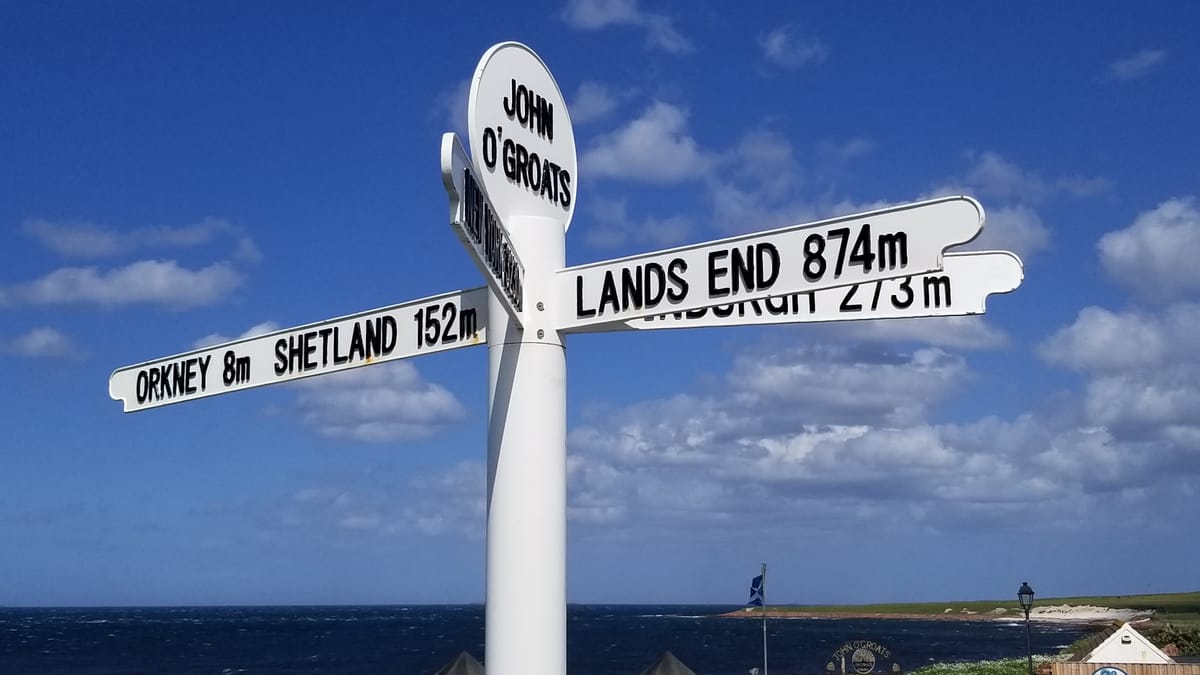
From Inverness the anti-clockwise route heads north and along the north east coast, via Wick to John O'Groats. From there it runs west along the northern coast of mainland Scotland before turning southwards at Durness. The road winds around the North West coast, running through Ullapool and around the Applecross peninsula in Wester Ross before heading north east back to Inverness.
The NC500 takes visitors through the regions of Inverness-shire, Caithness, Sutherland, Easter Ross and Wester Ross, and Black Isle. In total, the journey measures 516 miles (830km).
Why is the NC500 So Popular?
The popularity of the North Coast 500 is no surprise, especially with the rise of social media.
Photos, videos, selfies and personal recommendations of the route are awash online. So much so, another name for the NC500 is the 'Instagram Highway' - as there so many scenic sights to share.
The road trip takes visitors through beautiful, often breathtaking, scenery. Rugged coastlines, mountains, moorlands, hill lochs, glens and beaches. And visitors are encouraged to explore off the main route, taking in local culture, crafts, food and drink.
Whilst promoted as a road trip, the route also attracts cyclists (though not all cyclists will tackle the endurance challenge in one go or attempt to break the two-wheel record of just under 29 hours for the 516-mile round journey).
Has the NC500 Delivered for Businesses and the Local Economy?
On the face of it, the answer is probably yes (with some caveats).
Before the NC500 existed, the complaint from local businesses was that not enough tourists and visitors were coming to their areas of the Highlands.
Inverness and Loch Ness drew tourists in. Ullapool was doing OK. There were always tourists heading for John O'Groats. But smaller towns, more remote villages and businesses on the quieter highways were not so happy.
The NC500 was born and in 10 years it has brought in vast numbers of visitors to this part of Scotland. Visitors want places to visit, stay, eat and shop for souvenirs. And the money rolled in.
Economic researchers say the North Coast 500 route is now worth tens of millions of pounds every year to the local economy.
So, you would think that would make people happy. But the growth in visitor numbers has brought its own challenges - and big concerns about the dangers of overtourism.
What's the Problem with the NC500?
Whilst the route takes in some stunning and spectacular scenery, it also uses roads that have changed little over time. Many parts of the NC500 are along single track roads, with occasional passing places, or smaller and slower A roads.
Most of the roads were not designed for huge volumes of traffic, bigger cars or Motorhomes.
What was once a remote area, where you could be the only car on the road for several miles, is now an area where congestion, road rage and inconsiderate parking is the hallmark of every summer and main tourist season.
I remember going on a road trip across Scotland in 1996, long before the NC500 was even an idea in someone's mind. Armed with an A to Z map, I made up my own route to the north coast. Some of my journey mirrored parts of what would become the North Coast 500, other parts on completely different roads.
One day I drove past Dingwall to Durness, taking a route via Bonar Bridge and Lairg via the A836 up towards Tongue. I crossed the bridge west, then the small bridge across the entrance to Loch Hope and 'around the houses' to reach Durness as the light was fading. I enjoyed a wonderful stay at the youth hostel there.
I barely recall seeing any other cars on that final stretch between Hope and Durness. It really felt like I had the place to myself.
Which was handy as some of those roads were quite narrow, winding or rough in places.
What Are Local Residents, Businesses and Tourism Authorities Worried About with the North Coast 500?
Today, the drive I took almost 30 years ago would look very different. Quite simply, the increase in traffic has made remote areas much less remote.
According to the BBC report on the impact assessment, Department for Transport has recorded big increases in traffic compared to 2014, the year before the NC500 was first promoted.
The data shows average daily flows have doubled on the A99 at Wick and the A832 at Talladale in the 10 years between 2014 and 2024. And more than doubled along the A836 at John O'Groats. The A835 at Wester Moy has also seen a significant increase in traffic.
The increased traffic means the main tourist season now is typically marked by congestion, tailbacks, road rage incidents, dangerous driving and parking issues.
Extra pressure (and weight) of vehicles on the roads has added to the challenges of keeping road surfaces clean, and free from potholes or other damage.
It's all very well promoters of the NC500 asking motorists and visitors to be responsible tourists but not everyone listens or cares. That means growing complaints about:
- Camping without consideration
- Litter
- Toilet waste from tourists camping along the route
- Parking (eg motorhomes parking in unauthorised places)
- Waste dumping
- Lack of access for emergency services
- Damage to natural habitats and disturbance of wildlife
- Some tourists not supporting local businesses en route
Tourists are being encouraged to sign up to the NC500 Pledge. This says the person signing agrees to be a responsible tourist by respecting the environment, supporting local businesses, engaging with the community and promoting responsible tourism to others.
More than 5,600 have signed the pledge to date but local communities want to see action, not just words or half-hearted commitments.
The new economic and environmental impact assessment will give everyone a chance to have their say - and suggest solutions to resolve the challenges presented by the increasing popularity of the NC500.