Making the 'Impossible' Project Possible
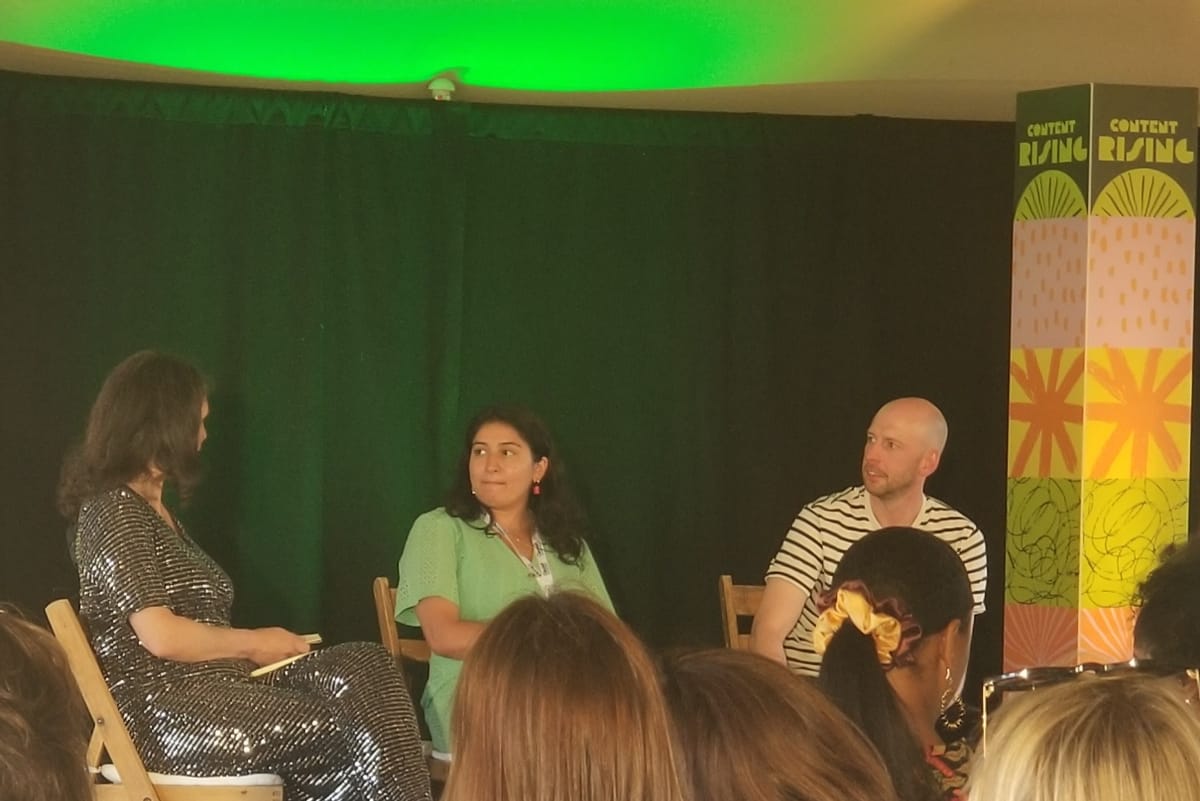
Is there something naïve, or even ‘bad’, about using imagination or imagining a better world?
Paraphrasing, but this was one of the questions that came up during the Content Rising event at Wakehurst on 12th June.
And Anthony Pearce highlighted two BIG challenges that people behind regenerative, sustainable or ‘eco’ projects or ideas face. Anthony is a communications strategist, specialising in sustainability and the built environment.
Designing Homes and Community for Healthier and Better Living
Anthony recently led communications at Human Nature, a company behind the Phoenix Project in Lewes. It’s an urban regeneration project to turn a former industrial site in East Sussex (UK) into a sustainable neighbourhood, designed for ‘healthier and better’ living.
New homes with priority for people over cars. Shared and communal living. Public squares. Community canteen. Event hall. Fitness Centre. Workspace. Makers’ studios. Habitats for local wildlife. And more.
Standing Up to the Critics and Doubters
At Content Rising, Anthony was on a panel discussing the power of imagination for change. He said two things stood out with critics and doubters of the project. The negative voices claimed:
1. This was just “greenwashing” (appearing to be environmentally friendly when not)
2. The project was “impossible” – it was “naïve” and “can’t happen”.
Anthony’s response was simple:
“We could prove it [that the project was both sustainable and possible].”
Firstly, the project team could show the project had strong sustainability credentials. And, secondly, they could show that the project was possible - it's happening.
The Value of Stories and Case Studies
And that is the most powerful communication we can get in this space. Being able to share stories that demonstrate how a different future IS possible, can happen and also delivers on the regeneration and sustainability impact side of things.
Stories and case studies matter.
Having conversations (even the ones we don’t enjoy having) and discussions matter.
Meeting where people are at matters.
QUESTIONS (for reflection):
Q. What regenerative, sustainable or innovative projects are you seeing out there that deserve more awareness?
Q. How are you ensuring what you’re communicating is not greenwashing?
Q. How did you overcome the ‘impossible’ and make something good happen?
Next time: Having fun with Guerrilla Geography.