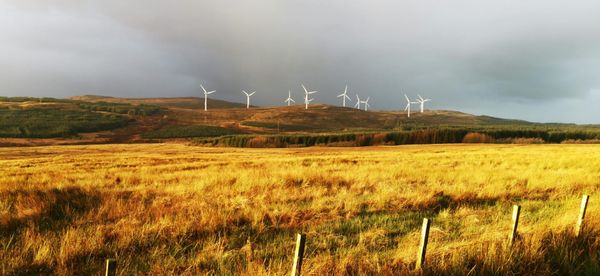
Guidance to Help You Keep Safe in the Outdoors, on Hills & Coast
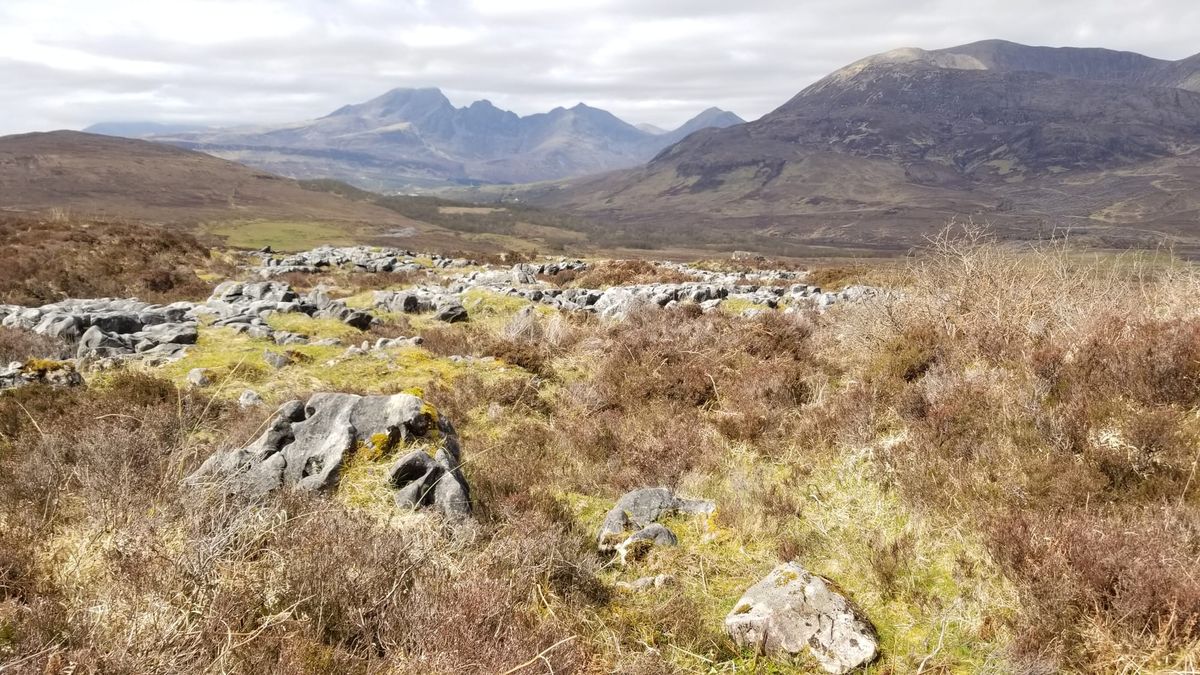
Anyone who has visited Scotland, England's Lake District, Snowdonia in Wales or the Mourne Mountains of Northern Ireland knows how beautiful the UK can be.
But stepping out to the coast, hills or mountains is not without risk.
It's why everyone who ventures into the outdoors is being encouraged to stay safe and be properly prepared.
It's the big message of National Outdoor Safety Week (23rd to 29th March) this year.
Mountain rescue teams - all made up of unpaid volunteers - have been very busy at times in recent years. Some of those callouts could have been avoided had walkers, hikers or climbers taken more care.
More and more people - perhaps enticed by the photos and videos of amazing scenery shared on social media - are heading for the outdoors, it seems. And that's great. It's good for health and wellbeing.
However, it's evident that some people (usually those with little or no experience of walking in the hills and mountains) are heading out without the right clothing or equipment.
Conditions on mountains can change very rapidly. Sunshine can turn to cold cloud, mist and rain in minutes. When you can see the ground, paths and world around you, walking can be easy. But when visibility is down to just a few metres or even just a few feet, it's a very different matter.
I know, because I've experienced that many times on past hikes in the hills. It really does test the nerves and navigation skills (whether you can read a map or not).
If you're an experienced walker and know what you're doing, keep doing the safe things you do. If you're 'new' to the mountains, hills or rugged coastlines of the UK, there are plenty of ways to access information to help keep you safe.
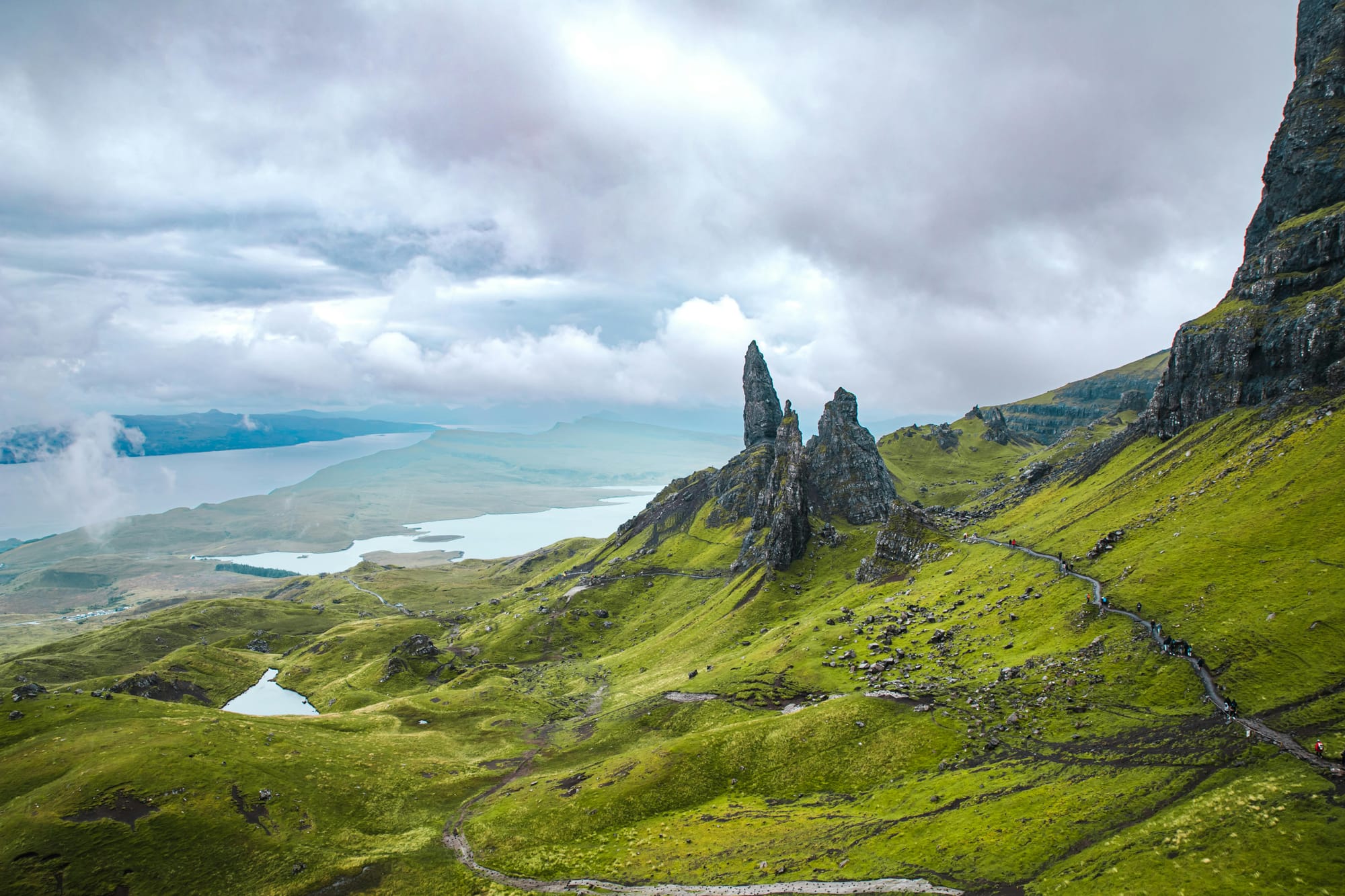
Mountain, Hill, River, Coast and Sea Safety Advice
Here is just a selection of organisations and websites offering sound and sensible advice for anyone heading outdoors this spring and beyond.
Mountain safety and Hill Walking Safety
The Adventure Smart website provides good advice and tips around your skills and knowledge, the weather and what gear to take. There's even a little quiz you can take.
The British Mountaineering Council (known as BMC) has information about local clubs around the country, training courses to improve your mountain skills for winter and summer walking, and one of the best travel insurance policies for outdoors enthusiasts (and other policies are available elsewhere, of course).
On the BMC website, you will also find some great articles on hillwalking safety, from Snowdon to scrambling, from weather to whiteouts, and from using smartphones to emergency equipment guidance.
Plenty of smart advice is available from the Mountaineering Scotland website. There are 27 mountain rescue teams in Scotland, with more than 1,000 fully trained mountaineers who are ALL volunteers.
They ALL want you to be safe in the hills and mountains. They are experienced and brave people, who go out in all sorts of weather when rescue is required. Their slogan is "Volunteering to Save Lives: Any Hour, Any Day, Any Weather".
To find out more about this brilliant service, visit the Scottish Mountain Rescue website. You might even want to consider giving a donation as the organisation is a charity and largely funded by donations.
There is also a mountain rescue organisation and many volunteer teams serving England and Wales.
In Northern Ireland, check out the Mourne Mountain Rescue team. Outside of the UK, walkers in Ireland should take a look at the Ireland Mountain Rescue website.
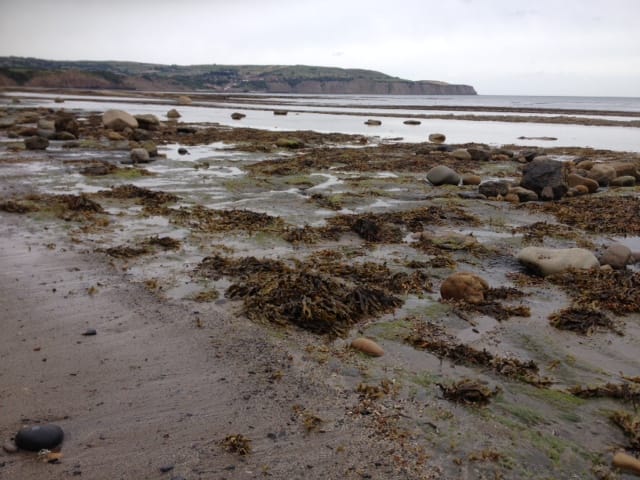
Coast and Sea Safety
If you're heading out to the coast, into your watersports or looking to enjoy some of the UK's best beaches, give safety serious consideration before you make the trip - and during your stay - to the sea.
You can find sound safety advice from the HM Coastguard website and life-saving tips from the brilliant lifeboat crews at the RNLI. Remember, like the mountain rescue teams, lifeboat crew members are all volunteers and funded by public donations.
Be as generous as you can afford, especially if you or someone you know has been helped or rescued by these services.
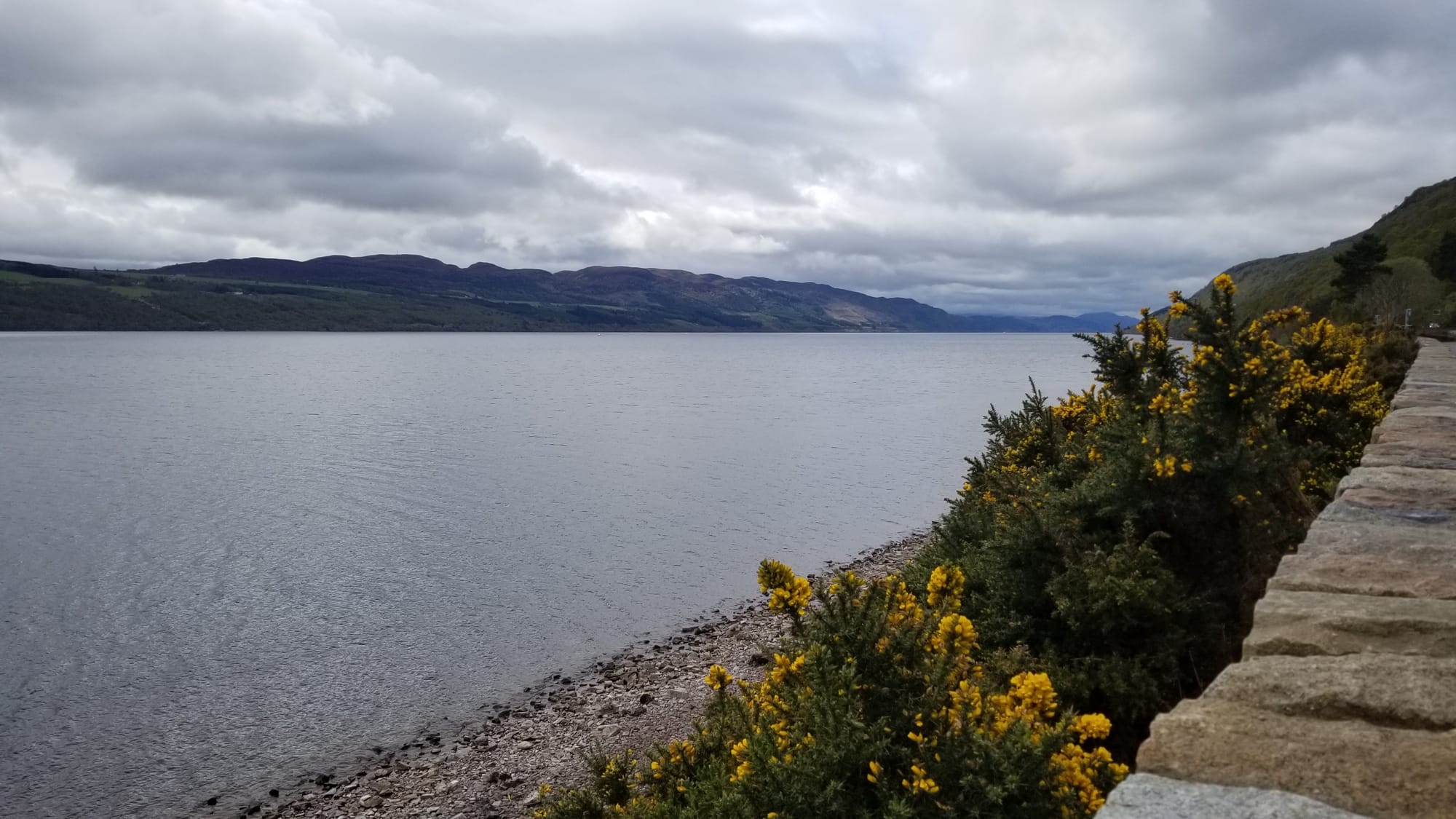
River, Pond, Reservoir, Lake and Canal Safety
If you're venturing to waters other than the sea, there's plenty of good advice from RoSPA (Royal Society for the Prevention of Accidents).
Rivers, canals, lakes, reservoirs and ponds may seem like attractive places to swim or get on the water but (as the all too frequent news stories demonstrate) there are dangers and it pays to stay safe.
The Canal and River Trust has sensible advice for anyone - youngsters, adults and families - aiming to enjoy the waterside this summer.
The BIG Safety Message This Week
The message from organisations and rescue services for the spring and summer is clear.
Enjoy the outdoors, but be smart, be safe.