The Biggest Questions Being Asked by Professionals in Responsible Tourism Today

What are the big questions on the minds of responsible tourism professionals across the world?
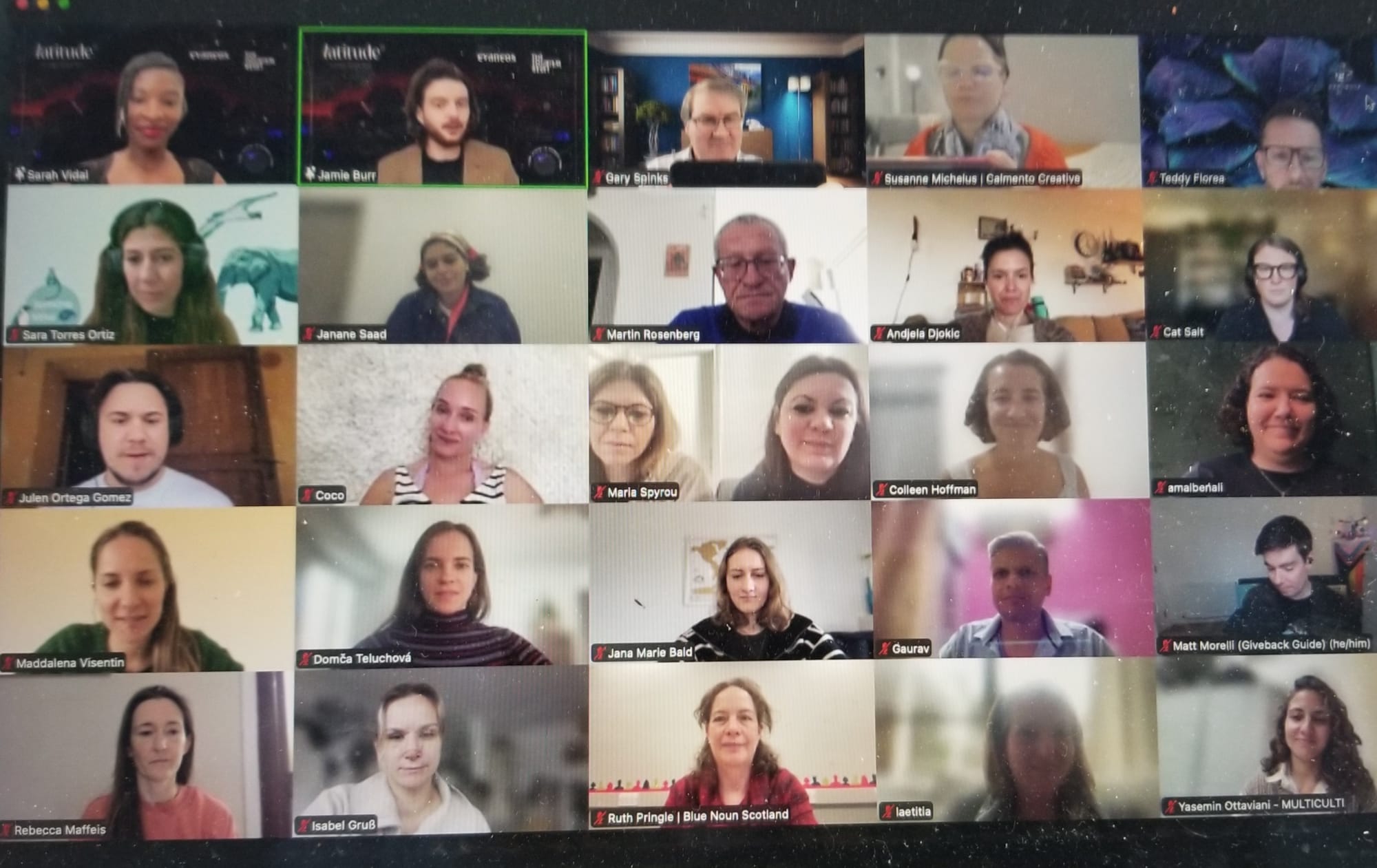
The Latitude online networking event last week (25th & 26th March) provided a snapshot of the challenges and issues on the minds of people in the industry.
Among those attending were tour operators, travel agents, hoteliers, media and PR professionals, writers, photographers, tourism boards, DMOs (Destination Marketing Organisation) and DMCs (Destination Management Company), sustainability consultants, lodge owners and retreat hosts.
Questions raised during the Q&A panels and in the online chat box included the following:
Sustainable and Regenerative Tourism
Q. “How can we mobilise other ecosystem players to create advocacy or "lobby" groups for more governmental incentives for sustainable and responsible tourism?”
Q. “What could be effective strategies and tactics to open up a conversation around regeneration with traditional hospitality and travel businesses?”
Q. “Why is a sustainability approach expensive (in terms of getting certification, or adapting eco-friendly options?”
Q. “What is the lowest hanging fruit for travel accommodations when it comes to greening their energy supply to power operations?”
Q. “How can I get the businesspeople of our company to care about investing in becoming more responsible and regenerative, when to them that's a waste of assets and time, and can bring in less revenue to the company?”
Q. “How can we shift individual travel and rental cars to co-travel and thereby lessen emissions? Why not use local guides in a minibus instead of 4 rental cars?”
Q. “Is there a meaningful difference in booking behaviour between travellers who seek out regenerative experiences versus those who discover them? How do operators bridge that?”
Q. “How can we convince travel designers to put sustainability in their top priorities when creating personalised itineraries for their clients?”
Q. “How can we all shift to regenerative travel rather than sustainable travel?”
Animals and Wildlife
Q. “How can companies be encouraged to prioritise animal welfare in tourism?"
Marketing, Communications, Content Creation and PR
Q. “How to let [or get] destinations and local tourist stakeholders [to] understand the value of working long term with travel content creators?
Q. “Awareness keeps popping up. There is a lot of work and focus on b2b, but how to [how do we] get the actual travellers, the ones booking and fuelling customer demand more aware to make better decisions?”
Q. “How do we make responsible actions and conscious choices during travelling ‘cool’ and ‘“mainstream’?”
Q. “The tourism industry largely operates on a supply and demand format. This places the responsibility to do the right thing on the consumer. How then do we communicate what we’re doing to ordinary people when, to most people, words like ‘sustainable’ and ‘regenerative’ are meaningless?”
Q. “How can I build an effective consultancy service to help touristic organisations get a structured sustainability strategy in order to improve their operations and/or achieve a sustainability certification?”
Q. “As a sustainable tourism consultant, how can I communicate effectively with companies so they perceive sustainability as a competitive advantage rather than an added cost or extra workload?”
Q. “What strategies can emerging tourism companies use to attract more customers, build strong international partnerships, and increase their global visibility through effective marketing in today's competitive travel industry?”
Q. “In your opinion, what is missing today in the way we talk about responsible tourism if we want to go further and reach more travellers? And how do you think marketing and advertising can help in that regard?”
“Greenwashing”
Q. “How do you communicate the positive impact you are having without seeming like you're greenwashing? If so, what tools do you use to measure?”
Q. “How can genuine small and authentic businesses stand out in a market full of greenwashing?”
Q. “How can we combat greenwashing, and convince the biggest stakeholders in the travel and tourism space to promote genuine sustainable and responsible travel practices?”

ESG and Sustainability Standards
Q. “What are [the] best resources for sharing ESG research and data?”
Q. “How can we ensure that community-led and based tourism initiatives in "developing" countries don't get left behind when trying to meet often Western imposed sustainability standards (that a lot of local companies also meet intuitively but might not have the tools, expertise or resources to "prove" in a technical sense)?”
AI (Artificial Intelligence)
Q. How do feel about AI that is mis-advising travellers, because AI sometimes makes up information that is not true?”
Q. “How can AI be helpful in promoting regenerative tourism?”
Q. “How can a travel company use AI while remaining regenerative or environmentally responsible?”
Visitor Impact and Overtourism
Q. “How can we make sure that marketing ‘off the beaten path’ destinations doesn’t turn them into the next overtourism spot?”
Q. “How important is mapping or measuring of the (‘negative’) impacts of tourism - and how can it best be used to promote more responsible, positive impact, travel?”
Q. “Can we still justify tourism, or do we mostly need to get out of it (assuming that only very little tourism can be made truly sustainable)?”
Q. “Who should pay for the negative impacts of travel? Guests, accommodation providers, destinations or everyone?”
Q. “What are some solutions to overtourism ?”
And those are just some of the questions raised during the two 90-minute sessions at Latitude organised by co-hosts Jamie Burr and Sarah O. Vidal.
The event gave panellists Tina O'Dwyer and Sofya Muhrer-Muromets (Session 1: Transatlantic edition) and Shivya Nath and Jeremy Smith (Session 2: Europe, Africa and Asia edition) an opportunity to respond to a handful of the questions raised by attendees.
And the questions can now kickstart more conversations, discussions and help responsible tourism professionals to find some answers.
What to do with All These Questions about Responsible Tourism
Now you have the questions, you can look through the list and see which ones are most relevant to you and the work that you do.
If you are a tourism board, DMO, PR agency or communications consultant, ask yourself how you are doing at promoting genuinely responsible, sustainable and regenerative tourism experiences? How are you getting your messages across without greenwashing?
If you are providing trips, tours, services or accommodation - how 'responsible' and sustainable are they? How can you make it more so?
If you are a journalist, what stories are you writing about responsible tourism? If a freelance writer, are you finding it hard to find publications or editors willing to commission pieces around this theme?
If you're using AI, how are you using it? Are you happy with the way you are using it and aware of all the wider impacts of AI?
If you're a tourist or traveller, what choices are you making about the holidays and trips you plan? Are you aware of the impact your travel has on the environment? Have you considered how you will respect local cultures or 'give back' to the local communities you visit?
Ultimately, what does Responsible Tourism REALLY mean?
It's a question events like Latitude are asking and trying to explore for deeper and meaningful answers.
Gary Spinks is a copywriter, storyteller and journalist. Beyond Scotland covers the interconnected themes of sustainability, community (including Citizens and Transition Town projects) and Responsible Tourism & Travel.