What is Responsible Tourism and Why Does It Matter?
One of the terms many travellers are seeing more and more now is responsible tourism.
But what does it mean and why is it important?
Responsible Tourism: a Definition
In short, responsible tourism is tourism that makes places better for people to live in and better places to visit.
According to the Responsible Tourism website, it is about everyone being accountable for the choices they make.
Responsible tourism is about:
· Preserving and protecting natural heritage
· Celebrating and embracing cultures
· Supporting local communities
· Involving residents and communities in shaping tourism
· Bringing people together for a more meaningful experience.
Responsible tourism is a means of helping to respond to climate change: reducing carbon footprints, expanding low-emission transport choices, minimising single-use plastics, conserving water, encouraging habitat protection and adopting slow travel principles.
Why Does Responsible Tourism Matter?
Tourism is a double-edged sword for the world.
For many countries it plays a significant part in providing jobs and boosting the national economy. Many destinations and local businesses rely on tourism for their prosperity.
However, the growing influx of tourists has created problems for popular destinations, resulting in growing resentment and complaint from residents and local communities.
According to Our World In Data, there were more than 708 million tourist trips (involving one night’s stay or more) made in 2024. Whilst that is less than half the 1.65 billion trips made in 2019 (pre-Covid) it is still a lot of people travelling across the globe.
Every journey has an impact - on climate, on the environment and on communities.
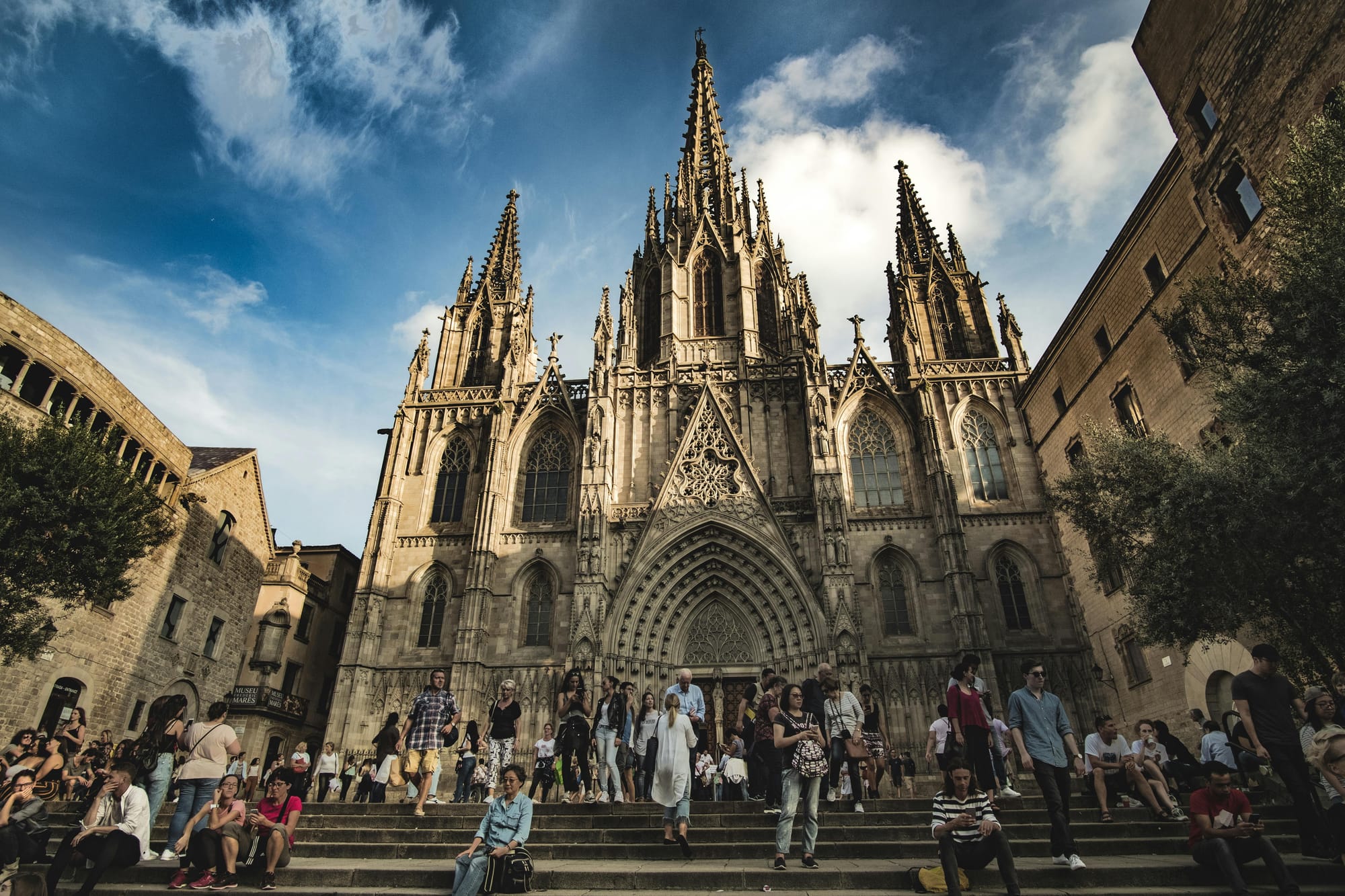
Cities like Venice, Barcelona and Dubrovnik, for example, have become overrun with tourists during the peak summer season. It benefits neither the traveller or the local communities in these cities.
Tourists don’t get to see a city as it should be. The experience is marked by huge crowds, tour groups and long queues at the most popular attractions. Accommodation costs and prices in general tend to rise.
And local communities tend to suffer most.
They rarely benefit as tourists flock to ‘top 10’ attractions in the heart of the city centre. Residents have to put up with visitors who can often lack respect for their home, culture or life there. Some feel as if they are being marginalised and pushed out of their city because the rise of Airbnb-style accommodation has pushed up rents for everyone.
Different Ways Cities are Fighting Back Against Overtourism
One outcome of overtourism is that some local authorities and residents are ‘fighting back’.
In June last year, protestors marched through the centre of Barcelona. They squirted water at some tourists sitting in street cafes and put up stickers on a luxury clothes store saying tourists inside were not welcome.
And the authorities in Barcelona, under pressure from local people power, declared there would be a ban on short-term rentals to tourists from 2028.
According to Responsible Travel, Dubrovnik is ranked as the most overcrowded city in the world.
Cheap flights, cruise ships and wide availability of short term lets have made it easy for tourists to pile into this small but beautiful destination in Croatia. Not helped by the fact parts of the hit TV series A Game of Thrones were filmed there.
Dubrovnik has taken a number of steps to tackle the problem of overtourism. Tighter control over cruise ships, restrictions on tourist buses and improving the 'flow' of tourists to reduce 'congestion' in the centre.
And it's no different in Italy.
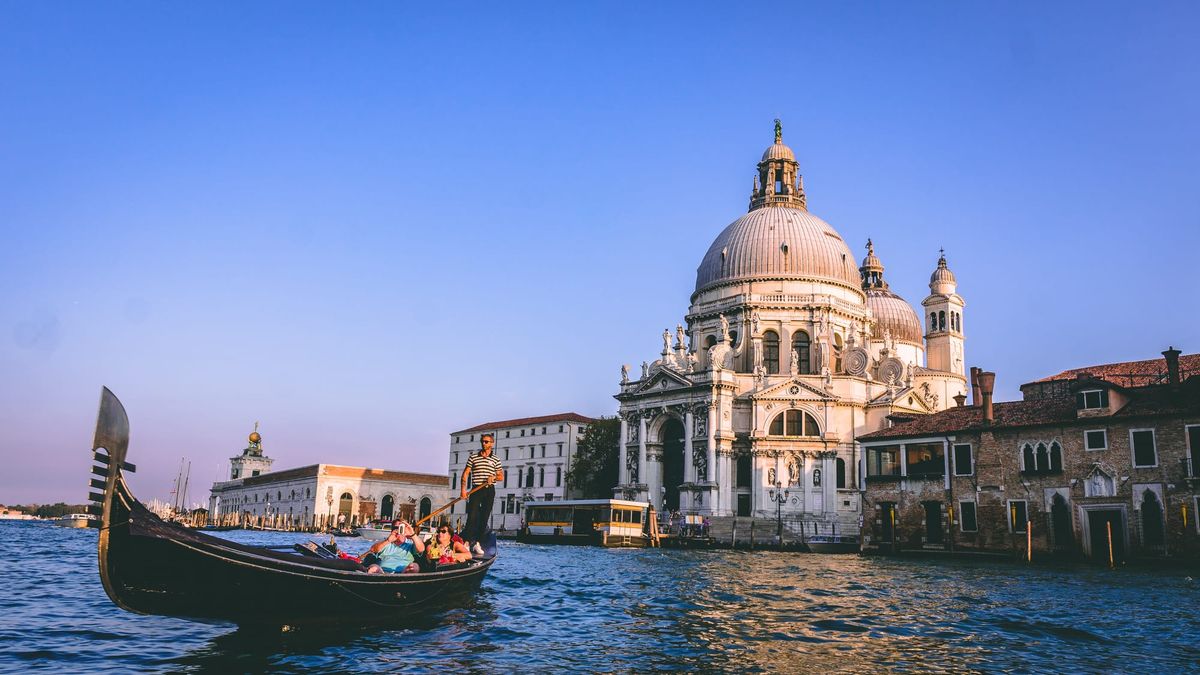
Venice is one of the most high-profile cities experiencing the effects of overtourism.
A city of around 250,000, it had more than 13 million visitors in 2019. And even though visitor numbers have fallen since, numbers are expected to rise to that pre-pandemic level (and maybe exceed it).
Venice is a world heritage site yet has seen droves of residents move away, fed up with tourists and rental challenges. At times recently, according to the citizen’s association Ocio, the city has had more beds for tourists to rent than available for residents.
After banning cruise ships from docking in the historic quarter in 2021, the authorities in Venice have also now limited tour group sizes to 25, banned loudspeakers and introduced a 5 euro daily entry fee for tourists to ease some of the overtourism problems.
Other cities, including those in the UK and European Union, are also exploring (or have already introduced) some form of tourist tax.
About the Tourist Tax
The tourist tax is paid by visitors. It can be targeted at peak-time day trippers (as in Venice) but is usually linked to overnight stays.
Each local authority can determine how it wants to charge the tax. Typically, it is charged per person, per night but it could also be charged as a percentage of the room rate (or a blend of both). Visitors should check the rules for their intended destination before they travel.
The thinking behind it is that the taxes (a) might change visitor behaviours and, for some cities, deter visitors (b) encourage visitors to visit in low season rather than peak season and (c) compensate cities for the impact of tourism and provide extra funds.
Funds that could go towards improving infrastructure, keeping destinations neat and tidy, environmental and cultural projects, or supporting sustainability projects.
Time will tell whether tourist taxes and other visitor levies make much difference - both to visitor numbers, and improvements for cities and residents.
Maintaining the Spirit of the Cape Town Declaration on Responsible Tourism
In 2002, the world was given what is regarded as the most widely regarded definition of Responsible Tourism.
The Cape Town Declaration on Responsible Tourism, drafted before the World Summit on Sustainable Development in Johannesburg set the tone. It made very clear that tourism must be of benefit both to visitors and communities they visit.
The declaration reads:
"Responsible Tourism is tourism that creates better places for people to live in, and better places to visit. It requires that operators, hoteliers, governments, local people and tourists take responsibility for achieving economic, social and environmental sustainability."
Responsible Tourism, supporters would argue, goes beyond terms like “eco-tourism” or “green travel”. That’s because at its heart is the concept of shared accountability. Everyone has a role to play, choices to make and responsibility for their impacts.
It’s not just for travellers, tourists and businesses to behave “responsibly”. Governments, local authorities, tourism boards, operators, travel consultants, tourism marketing professional, hotels, guest houses and local communities ALL have a part to play.
Creating the Right Balance of Promoting Tourism and Supporting Local Communities
At its worst, tourism can spoil or damage environments, displace communities and turn cultures into a commodity.
At its best, tourism encourages tourists to see themselves as responsible visitors - respecting and immersing themselves in local cultures, supporting local communities and smaller, independent businesses, and minimising their impact on the environment.
It’s why there appears to be a growing interest in holidays, tours and trips which align with the principles and values of Responsible Tourism.
Responsible Tourism can be characterised by positive actions for the wider good:
Respecting local communities - this includes their cultures, way of life, rights and boundaries around what they share.
Maximising positive impacts - such as supporting local income generation, jobs, heritage conservation and better understanding of different cultures.
Minimising negative impacts - damage to the environment, cultures treated as a commodity or money bypassing communities in destinations.
Involving local people - in decision-making processes, business ownership and a fair share of the benefits of tourism.
Providing meaningful experiences - creating authentic connections between visitors and hosts, something that goes beyond superficial encounters.
Being accessible and inclusive - Being open and welcoming people of all ages, abilities and backgrounds to travel.
The Responsible Tourism website lists seven principles to follow.
1. Economic Responsibility
2. Social Responsibility
3. Environmental Responsibility
4. Cultural Responsibility
5. Stakeholder Participation
6. Transparency & Accountability
7. Continuous Improvement
As the website states, these principles are interconnected and not a checklist. They are a guide for every day policy and practice, from now into the future.
How to Discover More about Responsible Tourism
There are many ways and places to find out more about Responsible Tourism. Here are a few pointers.
The Responsible Tourism website gives you a good overview.
You can see the definition and principles in more detail, helpful notes for operators, information on how responsible tourism links to sustainable development goals (SDGs) and a travel guide example from Crete.
If you are a professional in the Responsible Tourism industry, you may want to explore (and book a seat at) the Latitude networking event, co-hosted by Jamie Burr and Sarah O. Vidal.
Rapid networking sessions in small groups, panel Q&As and a directory of attendees are just some of the features of this global online gathering.
Overtourism is a problem in the peak months of the tourist season so visitors are starting to look at travel during the quieter months. And a great resource for ideas, tips and inspiration is Low Season Traveller. It has a magazine (digital and print versions) and guides for each continent and month of the year.
Ideas and inspiration around deep travel can be found on the One Planet Journey website and in its magazine.
If you're a podcast fan, discover more stories about responsible and sustainable travel in the episodes of Nifty Travel hosted by Alex Wingent, The Thoughtful Travel Podcast with Amanda Kendle, for example
Organisations, associations or other communities to explore include the Responsible Tourism Partnership, The Travel Foundation charity, and UN Tourism.
What other organisations, experts or resources would you want to add to this page?
And, finally, one more question.
What does Responsible Tourism mean to you?
Gary Spinks is a copywriter, storyteller and journalist. Beyond Scotland covers the interconnected themes of sustainability, community (including Citizens and Transiton Town projects) and Responsible Tourism & Travel.